
December through February is the best time to visit Shimla for snowfall, with January being the peak snow month. Kufri, at 2,622 metres and 13 km from Shimla on the Hindustan-Tibet Highway, receives heavier and more reliable snowfall than Shimla city itself. This guide covers exact snowfall timings, month-by-month expectations, and how to plan your trip for the best chance of seeing fresh snow.
AT A GLANCE: Best Time to Visit Shimla for Snowfall
| Peak Snowfall Month | January |
| Snowfall Season | December to March |
| Best Snow Location Near Shimla | Kufri at 2,622 metres (13 km from Shimla) |
| Kufri Elevation | 2,622 metres (8,602 feet) |
| January Temperatures | -4°C to 8°C in Kufri; 2°C to 10°C in Shimla |
| Nearest Airport | Shimla (Jubbarhatti), 31 km |
| Distance from Delhi | 360 km via Chandigarh |
Why Kufri Gets More Snow Than Shimla City
Shimla sits at 2,205 metres above sea level. Kufri sits at 2,622 metres, a difference of 417 metres. In mountain meteorology, every 300-metre gain in elevation reduces temperatures by roughly 2°C. This means Kufri is consistently 2 to 3 degrees colder than Shimla city on any given winter day, and precipitation that falls as rain in Shimla often falls as snow in Kufri.
The Kufri plateau also faces the western Himalayan ridge more directly, which channels moisture-laden weather systems onto the plateau before they reach the lower, more sheltered basin where Shimla town sits. The result is a destination where snowfall arrives earlier, lies deeper, and stays on the ground longer than at any point in Shimla proper.
How many centimetres of snow does Kufri get each year?
Kufri receives between 60 and 120 cm of snow in a typical winter, spread across 8 to 15 snowfall events between December and March. A heavy snowfall event deposits 15 to 30 cm overnight. In exceptional years, like the winter of 2021-22, Kufri recorded over 180 cm across the season, with January snowfall exceeding 50 cm in a single week.
Does Shimla city itself get snowfall?
Yes, Shimla city receives snowfall, but less reliably than Kufri. Shimla's Mall Road and Ridge area typically see snow 4 to 8 times per winter, with significant snowfall (more than 5 cm lying on the ground) occurring perhaps 2 to 4 times per season. The lower bazaar areas of Shimla receive snow less frequently still, as they sit at elevations closer to 2,000 metres.
Month-by-Month Snowfall Guide for Shimla and Kufri
When does it snow in December in Shimla?
December sees the first snowfall of the season, typically arriving in the second or third week. Early December snowfall at Kufri is common and reliable; Shimla city may or may not see snow in December depending on the year. By late December and the Christmas-New Year period, the probability of snow at Kufri is high. Temperatures in Kufri in December range from -2°C to 10°C.
Is January the best month for snowfall in Shimla?
January is consistently the best month for snowfall in the Shimla region. Kufri averages the most snow days of any month in January, temperatures drop to -4°C at night, and snowfall is heavy enough to allow skiing, snow tubing, and snowman building at the Kufri snow activity zone near Mahasu Peak (2,890 metres). Roads can close for 12 to 24 hours after a heavy snowfall event, so building buffer days into your itinerary is sensible.
What is snowfall like in Shimla in February?
February is the second-best month for snowfall. Snow from January often remains on the ground in Kufri through February, and fresh falls continue. The days are slightly longer than January and temperatures begin to soften toward the end of the month. February is particularly popular with couples for its combination of romantic snowscapes and the Valentine's Day period. Skiing and snow activities at Kufri remain fully operational through February.
Does Shimla get snow in March?
Snow in Shimla in March is possible but unpredictable. Early March can still bring significant snowfall, particularly at Kufri. Mid-March is transitional, with snow at higher elevations and clear, cold days lower down. By late March, snowfall in Shimla city is rare, though Kufri and Mahasu Peak may still carry winter snow. March is the last reliable month to plan a snow-focused trip.
Best Areas to Base Yourself for Snowfall Near Shimla
Why is Kufri the best base for snowfall in the Shimla region?
Kufri, at 2,622 metres, is the highest easily accessible plateau in the immediate Shimla belt and the location of the main snow activity zone where skiing, snow tubing, and horse riding on snow are available. Staying in Kufri rather than Shimla city means you wake up in the snowfall zone rather than driving up to it. The Himalayan Nature Park, the Mahasu Peak trail, and Kufri Fun World are all within walking distance, making Kufri the most complete snow destination in the Shimla region.
Is Narkanda better than Kufri for snowfall?
Narkanda, at 2,708 metres and 65 km from Shimla, receives more reliable and heavier snowfall than Kufri because of its higher elevation and more exposed ridge position. However, Narkanda is significantly more remote, the road from Shimla can close entirely after heavy snowfall, accommodation options are limited to basic guesthouses, and the infrastructure for tourists is far less developed. For families, couples, and first-time snow visitors who want comfortable accommodation and accessible snow activities, Kufri is the practical choice. Narkanda suits experienced winter travellers happy with basic conditions.
How to Plan Your Shimla Snowfall Trip
Booking accommodation in Kufri for a January or February trip requires advance planning. The combination of school holidays (Republic Day week in late January) and New Year demand means high-quality resort rooms book out 4 to 6 weeks in advance. Confirm your accommodation before booking trains or flights.
Check snowfall forecasts for Kufri in the 48 hours before departure using the Himachal Pradesh weather service or the India Meteorological Department (IMD) website. Fresh snowfall transforms the experience, but even in the absence of a fresh fall, Kufri's retained snow and the available skiing and activities make the trip worthwhile.
What is the best way to reach Kufri from Delhi for a snowfall trip?
The most practical route from Delhi is by overnight bus or train to Chandigarh (approximately 250 km), then a pre-booked taxi directly to Kufri (approximately 120 km, 3 to 4 hours). The drive from Chandigarh to Kufri on a clear winter morning, with snow appearing on the hills from around Solan onwards, is itself part of the experience. Self-driving is possible but ensure your vehicle has snow chains if travelling in January, as the Kufri plateau road can be icy.
What should I pack for a Shimla snowfall trip?
Pack thermal base layers for both top and bottom, a mid-weight fleece or wool sweater, a heavy waterproof outer jacket, woolen hat, gloves rated to at least -5°C, and waterproof snow boots with ankle support. Sunscreen is non-negotiable at this altitude even in winter, as UV intensity is high and snow reflects radiation. Hand warmers are a practical addition for children and anyone planning more than 30 minutes of outdoor snow activity.
Snowfall Activities in Kufri
The Kufri snow activity zone near the Mahasu Peak trail opens as soon as sufficient snow lies on the ground, typically after the first significant snowfall in December. Activities available during snowfall season include:
- Skiing: Basic instructed skiing for beginners on a gentle slope. Equipment rental available at the activity zone. Cost approximately Rs 500 to 700 for a 30-minute session.
- Snow tubing: A circular rubber tube ridden down a prepared snow slope. Suitable for ages 5 and above. One of the most popular activities for families.
- Snowman building and snowball fights: Open access on any snow-covered lawn or trail area. The resort grounds during snowfall become a natural play area.
- Horse riding on snow: Horses carry riders through snow-covered trails near the Fun World area. Cost Rs 300 to 600 for a 15 to 20-minute ride.
- Photography at Mahasu Peak: The ridge at Mahasu Peak (2,890 metres) after a snowfall offers one of the finest landscape photography vantage points in the Shimla belt, with a clear view of the Himalayan range on days following snowfall.
- Himalayan Nature Park winter walks: The 90-hectare park is particularly atmospheric in winter. Snow leopard sightings, while rare, are more likely in deep winter when the animals come lower in search of prey.
Planning Your Shimla Snowfall Trip
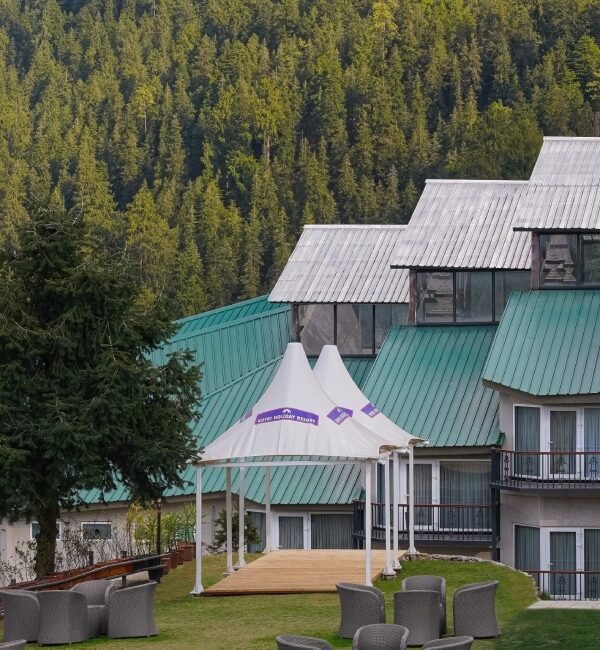
Kufri Heritage Resort and Spa is positioned at 2,622 metres on the Kufri plateau, placing you inside the snowfall zone rather than below it. The resort's mountain-facing rooms give guests direct views of the snowfall as it happens, and the resort team monitors conditions daily to advise on the best times for snow activity outings. Heated rooms, a full-service spa, and multi-cuisine dining ensure the experience remains comfortable even during the coldest January nights.
Frequently Asked Questions: Best Time to Visit Shimla for Snowfall
Q: What is the best time to visit Shimla to see snow?
January is the best month to see snow in Shimla and Kufri. Snowfall is most frequent and heavy between mid-December and late February, with January seeing the deepest snow cover in a typical year. The probability of seeing at least one snowfall event during a 3-day trip to Kufri in January is very high.
Q: Does Shimla always get snow in winter?
Shimla city receives snowfall every winter, but not with the same regularity as Kufri. Kufri's higher elevation of 2,622 metres makes snowfall more consistent. In 9 out of 10 winters, Kufri sees multiple snowfall events between December and February. Shimla city (2,205m) sees fewer events, and the lower bazaar areas see the fewest.
Q: Is December too early to see snow in Shimla?
December is not too early, but it requires luck. The first snowfall at Kufri typically arrives in the second or third week of December. The Christmas and New Year period in late December has a reasonable probability of snow, particularly at Kufri. If guaranteed snow is the priority, January is the safer choice.
Q: Which is better for snowfall, Kufri or Manali?
Manali receives significantly heavier and more reliable snowfall than Kufri because it sits at a higher elevation (2,050m in town, with Solang Valley at 2,480m and Rohtang at 3,978m). However, Manali is 260 km from Shimla and around 8 to 10 hours from Delhi. For travellers from Delhi who want accessible snowfall with comfortable 5-star accommodation and infrastructure, Kufri is the practical winter destination. Manali suits those specifically seeking deep-mountain snow and are comfortable with longer, more complex travel.
Q: What temperature should I expect in Kufri in January?
Daytime temperatures in Kufri in January typically reach 6°C to 10°C on clear days. Night temperatures drop to -2°C to -5°C and can fall further after a snowfall. The combination of cold nights and clear, bright, snow-covered days makes January the most dramatic month to visit. Proper thermal layering is essential, particularly for children and anyone spending extended time outdoors at the snow activity zone.
Q: Can I drive to Kufri in winter or are roads closed?
The main road from Shimla to Kufri via the Hindustan-Tibet Highway remains open throughout the winter in normal conditions. After a heavy snowfall of 20 cm or more, the road to the Kufri plateau may be closed for 12 to 24 hours while HRTC and the PWD clear it. This is temporary and the most common disruption. If travelling in January, allow a buffer day at either end of your trip for potential road disruptions.
Q: How far in advance should I book a snow trip to Kufri?
Book accommodation 4 to 6 weeks in advance for January travel, particularly for weekends, Republic Day week (January 26 and surrounding days), and any period that falls in school holidays. The best-located and most comfortable properties book out first. Budget and mid-range options typically have more flexibility, but room choice narrows quickly from early December onwards for January dates.
Q: Is Kufri or Shimla better for a snow trip with children?
Kufri is the better choice for families with children specifically wanting snow activities. The Kufri snow activity zone has supervised skiing for beginners, snow tubing, and open play areas. Staying in Kufri means children can be in the snow within minutes of leaving the hotel lobby. Shimla city is better for sightseeing and the toy train experience but offers fewer dedicated snow play facilities than Kufri's activity zone.

 Call Us
 WhatsApp